Tooth Extraction in Raipur: Procedure, Aftercare and Healing
 By Dr. Preeti Tamaskar · 9 min read
A tooth extraction is the removal of a tooth from its socket in the jaw, done under local anaesthesia so you feel pressure but not pain. It is advised when a tooth cannot be saved by a filling, root canal treatment or crown. Most people heal within one to two weeks, and good aftercare in the first 48 hours makes the biggest difference. This guide explains when extraction is needed, how simple and complicated extractions differ, and how to look after yourself, from Dr. Preeti Tamaskar's practice in Kamal Vihar, Raipur.
Key takeaways
Extraction is a last resort. Your dentist will first check whether the tooth can be saved.
A simple extraction removes a tooth that is fully visible in the mouth. A complicated (surgical) extraction is needed for broken, deeply decayed or impacted teeth, including many wisdom teeth.
Local anaesthesia numbs the area, so the procedure should not be painful.
For the first 24 hours, do not rinse, spit forcefully, use a straw, or smoke or chew tobacco or paan.
Severe pain that starts two to four days after extraction may be a dry socket. Call your dentist rather than waiting.
A missing tooth should usually be replaced, so ask about options such as a bridge or a denture.
When does a tooth need to be extracted?
Dentists try to save natural teeth wherever possible. Extraction is usually advised when:
decay or a fracture has destroyed so much of the tooth that it cannot be repaired with a filling, root canal treatment or crown;
advanced gum disease has loosened the tooth;
a wisdom tooth is impacted (stuck under the gum or against the next tooth), repeatedly infected or causing pain;
a baby tooth has not fallen out in time and is blocking the adult tooth;
teeth need to be removed to make space before braces or aligners;
a tooth is badly infected and root canal treatment is not possible.
Your dentist will examine the tooth and take an intraoral X-ray, which shows the root, the bone and the position of nearby teeth. This helps decide whether the extraction will be simple or complicated.
Simple and complicated tooth extraction: what is the difference?
Simple extraction. The tooth is fully visible in the mouth. After the area is numbed, the dentist loosens the tooth with an instrument and removes it with forceps. It is often quick, and you may feel pressure and movement but no sharp pain.
Complicated (surgical) extraction. This is needed when the tooth has broken at the gum line, has curved or multiple roots, or is impacted below the gum. The dentist may make a small opening in the gum, remove a little bone around the tooth, or divide the tooth into pieces so that it can be taken out gently. Stitches are sometimes placed afterwards, and they may dissolve on their own or be removed at a review visit.
A complicated extraction can take longer and may cause more swelling afterwards, but it is a routine procedure in dental practice. Impacted wisdom teeth are the most common reason for it.
What happens during a tooth extraction?
Examination and X-ray. The dentist checks your teeth and gums, reviews the X-ray and explains the plan.
Medical history. Tell your dentist about any medicines you take, including blood thinners, and about conditions such as diabetes, high blood pressure, heart disease, pregnancy, or allergies. Do not stop any prescribed medicine on your own. Ask your dentist and your doctor first.
Local anaesthesia. The area is numbed with an injection. You stay awake and comfortable.
Removal of the tooth. The tooth is loosened and removed, simply or surgically.
Gauze and instructions. You bite on a gauze pad to control bleeding, and the dentist gives you written or spoken aftercare advice and any medicines you need.
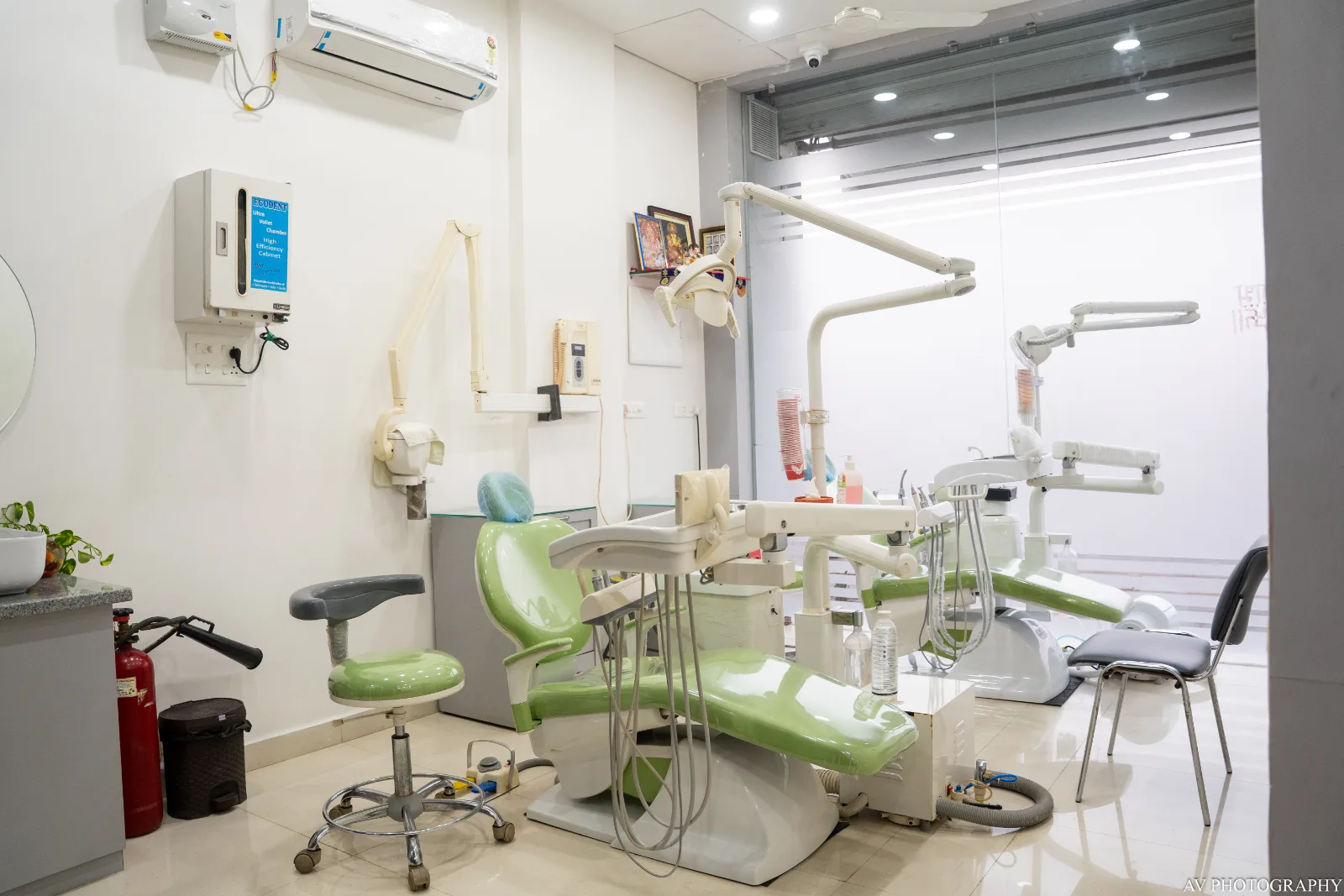
Clean, properly sterilised instruments matter for every extraction. At Dr. Preeti's Smile Dental Care, high-quality sterilisation protocols are followed.
Aftercare: what to do in the first 24 to 48 hours
The blood clot that forms in the empty socket is what protects the bone and starts healing. Most aftercare is about not disturbing it.
The first 24 hours
Bite gently on the gauze for 30 to 45 minutes after you leave. If bleeding continues, place a fresh damp gauze pad (or a clean damp tea bag) over the area and bite firmly for another 20 to 30 minutes.
Do not rinse your mouth, spit forcefully or touch the area with your tongue or fingers.
Do not use a straw.
Do not smoke or chew tobacco, gutkha or paan. Tobacco slows healing and raises the risk of a dry socket. Avoiding it for at least three days gives the socket a better chance.
Avoid alcohol.
Apply a cold pack to the cheek, 10 to 15 minutes on and 10 minutes off, to reduce swelling.
Rest, and keep your head slightly raised when you lie down.
Eating and drinking
Drink cool water.
Eat soft, cool or lukewarm food such as curd, khichdi, dalia, mashed potato, banana or smooth soups. Avoid very hot tea and food on the first day.
Chew on the opposite side and avoid hard, crunchy, sticky or spicy food for a few days.
From the next day
Brush your other teeth as usual, and be gentle near the extraction site.
Rinse gently with warm salt water (half a teaspoon of salt in a glass of warm water) after meals, as your dentist advises.
Take pain relief only as your dentist or doctor advises. Swelling usually peaks around the second or third day and then settles.
What is normal, and what is not?
Normal:
slight oozing or pink-tinged saliva for the first day;
mild to moderate soreness that eases day by day;
some swelling or stiffness in the jaw, especially after a surgical extraction;
a small amount of bruising on the cheek.
Call your dentist if you notice:
bleeding that does not stop after 30 minutes of firm pressure;
pain that gets worse after the second or third day instead of better;
a bad taste or smell, or pus coming from the socket;
fever;
swelling that keeps increasing after three days.
Difficulty breathing or swallowing needs urgent medical attention.
What is dry socket?
A dry socket happens when the blood clot is lost or does not form properly, leaving the bone exposed. It usually causes a throbbing pain that begins two to four days after the extraction and may spread to the ear or jaw, sometimes with a bad taste or smell. It is more common after wisdom tooth extraction and in people who smoke or use tobacco. It is not dangerous, but it is painful, and your dentist can clean the socket and place a medicated dressing to relieve the pain. Avoiding straws, forceful rinsing and tobacco greatly reduces the risk.
Impacted wisdom teeth
Wisdom teeth usually appear between the late teens and the mid-twenties. When there is not enough room, they can get stuck, tilt against the next tooth, trap food and become infected. Signs include pain at the back of the jaw, swollen gums, a bad taste, difficulty opening the mouth and repeated gum infections. An X-ray shows how the tooth is lying, and whether it should be removed depends on your symptoms and the position of the tooth. Impacted tooth extraction is a part of Dr. Preeti's practice.
Should a missing tooth be replaced?
Often, yes. When a tooth is lost, the neighbouring teeth can drift, the opposite tooth can move down, and chewing becomes harder. Depending on the gap, your dentist may suggest a fixed crown and bridge or a removable partial or complete denture. It is worth discussing this at the time of your extraction so that you can plan ahead.
How much does a tooth extraction cost in Raipur?
The cost depends on whether the extraction is simple or complicated, how many teeth are involved, whether an X-ray is needed and whether stitches or other care are required. A fair figure cannot be given without examining you, so the best step is a consultation. Dr. Preeti will examine you, explain the options and tell you the cost before treatment begins.
Frequently asked questions
Is tooth extraction painful?
The area is numbed with local anaesthesia, so you should feel pressure but not pain during the procedure. Some soreness afterwards is normal and can be managed with the pain relief your dentist advises.
How long does it take to heal after a tooth extraction?
The gum usually closes over in one to two weeks, and the bone beneath continues to remodel over the following months. Most people feel back to normal within a few days after a simple extraction. A surgical extraction may take a little longer.
Can I eat after a tooth extraction?
Yes, once the numbness wears off so that you do not bite your cheek or tongue. Choose soft, cool food and chew on the other side for the first day or two.
When can I brush my teeth after an extraction?
You can brush your other teeth the same day. Avoid the extraction site for the first day, then brush gently around it.
Can I smoke or chew paan or tobacco after an extraction?
It is best not to. Smoking and tobacco slow healing and increase the risk of dry socket. Avoid them for at least three days, and longer if you can.
How soon can I go back to work or school?
Many people return the next day after a simple extraction. After a surgical or wisdom tooth extraction, you may want a day or two of rest. Avoid heavy exercise for a few days.
Do I need antibiotics after an extraction?
Not always. Your dentist will decide based on your health and how complicated the extraction was. Take antibiotics only if they are prescribed, and finish the course as advised.
Is it safe to have a tooth extracted if I have diabetes or high blood pressure?
Often yes, but tell your dentist beforehand so that your condition and medicines can be considered. Keep taking your regular medicines unless your doctor or dentist tells you otherwise.
What happens if I do not replace the tooth?
Neighbouring teeth can tilt or drift into the gap, the opposite tooth can move, chewing may become less efficient, and gum problems can follow. Your dentist can suggest a suitable replacement.
Tooth extraction at Dr. Preeti's Smile Dental Care, Raipur
Dr. Preeti Tamaskar has 19 years of clinical experience. The clinic offers simple and complicated tooth extraction, impacted tooth extraction and minor intraoral surgeries, with intraoral X-rays for accurate planning and high-quality sterilisation protocols followed. Her approach is gentle and patient-first: she explains each step, so you know what to expect before you begin.
To ask about an extraction, book an appointment or call +91 90399 06268. You can find the clinic at Shop No 105, Upper Ground Floor, D Block, Central Avenue, Kamal Vihar Rd, Sector 7B, CBD Chowk, Raipur, Chhattisgarh 492015.
This article is general information and is not a substitute for a dental examination. Please see a dentist for advice about your own teeth.